
If you’ve never heard of a symbolic wedding, or you’re unsure whether your destination will recognize your marriage legally, you’re not alone. The difference between legal and symbolic ceremonies can significantly impact your planning timeline, budget, and overall experience.
So let’s break it all down—from legal requirements to personal preferences—and help you choose the ceremony style to best reflect your love story.

Here’s why more couples than ever are choosing to tie the knot abroad:
- Smaller, more intimate guest lists
- Built-in honeymoon right after the ceremony
- Unique settings to elevate the experience (think: ocean views, castles, vineyards)
- Affordable packages including coordination, décor, and food
- A chance to focus on connection, not convention
A destination wedding isn’t just about the backdrop—it’s about being intentional with who and what you bring into the start of your next chapter. But before diving into Pinterest boards and travel itineraries, you’ll need to decide: legal or symbolic?
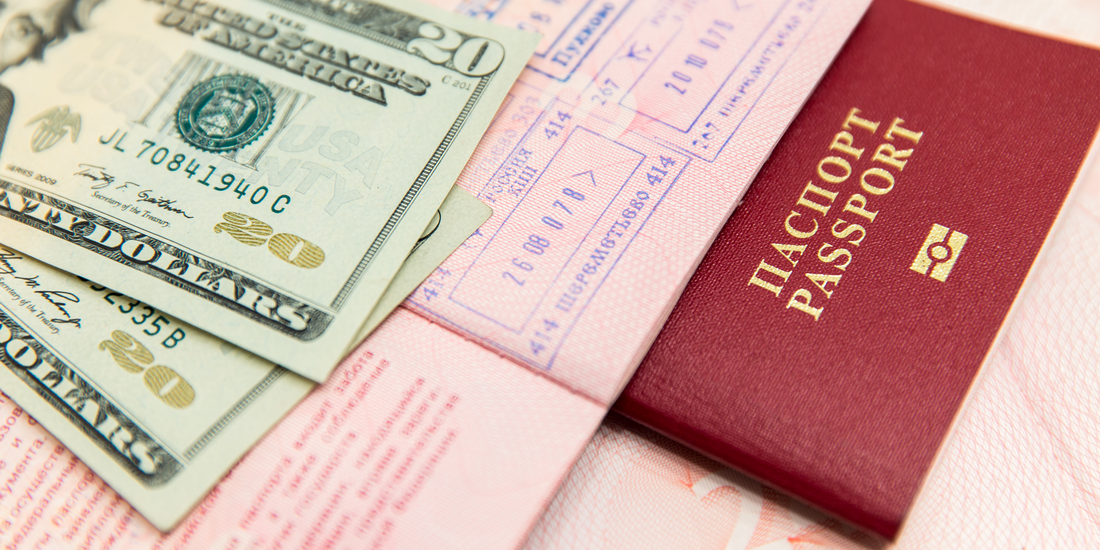
A legal (also known as civil) ceremony means your marriage is officially recognized by the country where the ceremony takes place—and often in your home country too.
What You Might Need for a Legal Wedding Abroad
Every destination has its own process, but the following requirements are common:
Official Documentation
Valid passports, birth certificates, divorce decrees (if applicable), and sometimes a certificate of no impediment to marry. These may need to be notarized, translated into the local language, and submitted well in advance.
Residency Requirement
Some countries require you to be in the country for a certain number of days before the ceremony. For example, Jamaica asks for 48 hours, while Italy often requires four full days—and only business days count.
On-Site Blood Tests
In places like Mexico, a blood test must be performed locally as part of the legal process. It’s quick, but it adds one more thing to schedule before the big day.
Translation and Interpreters
If your destination country’s legal language isn’t English, the ceremony might not be conducted in English either. A certified translator (often arranged by your planner or resort) may be necessary.
Government Fees and Licenses
There are typically fees for processing paperwork, issuing the license, and hiring the officiant. Some locations also require payment for documentation to be shipped back to your home country.
Witnesses
You’ll need a specific number of witnesses, and in many cases, they cannot be related to you. These individuals must also be present for the full legal procedure and ceremony.
Legal Weddings Are Ideal For You If:
- You want the thrill of saying “I do” and knowing it’s official right then and there.
- You’re interested in having one anniversary date tied to your wedding trip.
- The destination country’s legal process is simple and straightforward.
- You plan to live abroad or want international legal recognition of your marriage.

A symbolic wedding ceremony is a non-legally binding event but feels just like a traditional wedding—without the legal paperwork. These ceremonies often follow the same structure as legal ones (processional, vows, ring exchange, first kiss, etc.), but the legal marriage has already been handled separately, typically back home.
Why Choose a Symbolic Ceremony
This option is all about ease, flexibility, and personalization. Here’s what makes symbolic ceremonies appealing:
No Legal Hassle
Skip the paperwork, blood tests, translations, or residency requirements. You’re free to show up, celebrate, and enjoy.
Total Customization
You can write your own vows, choose your own officiant (even a friend or family member), and design the ceremony to reflect your relationship—not a legal format.
Budget Friendly
Since you’re avoiding government fees, legal processing, and travel-related delays, this is often the more cost-effective route.
More Time for Travel
Without a residency requirement or courthouse visits, you have more time to relax, explore, and be with your loved ones.
You Still Get the Destination Wedding Vibe
Your guests won’t even notice it’s not a legal ceremony. Everything from the venue setup to the emotional “I do” feels exactly the same.
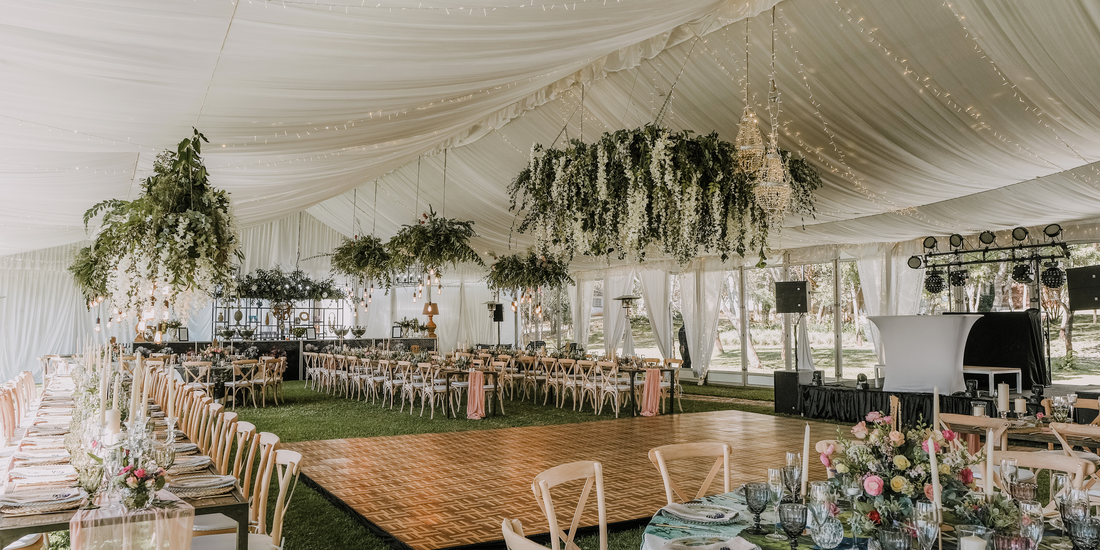
Here are a few key considerations to help you decide:
Legal Ceremony May Be the Best Fit If:
- You’re dreaming of telling people you were married in destination officially.
- Your religion requires a legally recognized ceremony at the location.
- You’re fine with meeting residency requirements and handling the extra paperwork.
- You want everything—legal and emotional—wrapped into one unforgettable moment.
Symbolic Ceremony May Be the Better Route If:
- You want to avoid complex legal procedures abroad.
- You’ve already had a civil ceremony at home and want to focus on the celebration.
- A family member or friend will officiate.
- You value flexibility, personalization, and a smoother planning process.
Real Talk: It’s OK to Choose What Works for You
Some couples feel pressure to make their wedding legally binding in the destination. Others are afraid a symbolic ceremony won’t “feel real.”
Here’s the truth:
The value of your ceremony lies in the connection it celebrates, not the paperwork behind it.
No matter which path you take, your destination wedding can still be romantic, meaningful, and unforgettable. Whether you sign the papers at home or on-site, the heart of your celebration is in the promises you make to one another.
 Close-up of two hands, fingers intertwined, showcasing wedding rings.
Work with a Destination Wedding Expert
Every country’s rules are different, and they change often. An experienced planner or travel advisor (like me) can guide you through the process and help avoid missteps.
Start Planning Early
Some legal processes take months. Don’t wait to research requirements. The earlier you start, the more options you’ll have.
Stay Flexible
If your dream country has complex legal requirements, don’t force it. A symbolic ceremony may allow you to still have the destination wedding experience you want—without the stress.
Create a Ceremony to Reflects You
Legal or symbolic, your wedding should reflect your relationship. Add cultural traditions, spiritual elements, or unique rituals. The format may vary, but the emotion will be unforgettable.
Check With Your Home Country
If you’re going the legal route, make sure your marriage will be recognized back home. Some places require additional steps to validate a foreign marriage certificate.
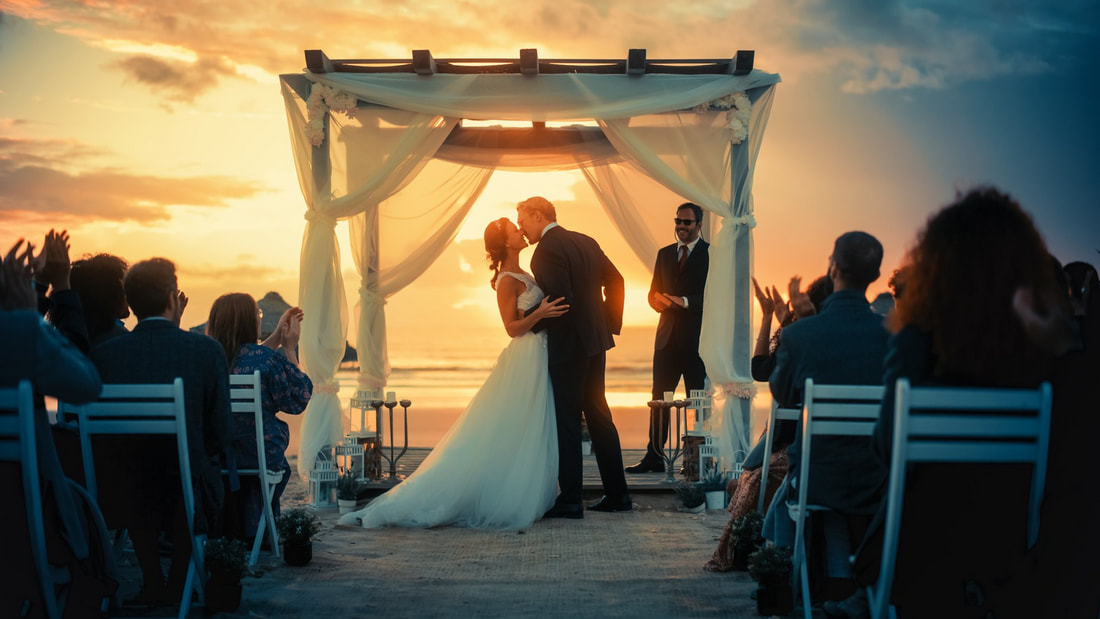
Here are a few favorites known for legal Destination Weddings (made easy):
Jamaica – Minimal paperwork, fast processing, and stunning venues make it one of the easiest places for a legal ceremony.
Bahamas – Only 24 hours of residency required, and no translation of documents needed.
Denmark – Surprisingly easy for international couples to legally marry (especially for elopements).
Mexico – Romantic and vibrant, though legal weddings require more documentation and a blood test.
Dominican Republic – Another gorgeous option, but legal requirements are a bit stricter—consider symbolic here.
If you’re feeling stuck or unsure which ceremony fits best with your dream destination, let’s chat. I offer complimentary wedding planning strategy sessions to help couples like you gain clarity, get organized, and create a celebration to reflect their love.